
By late June, the calls start coming in. Someone is mowing the lawn, clips a patch of ground near the deck, and gets hit three or four times before they understand what’s happening.
A yellow jacket sting is one of the more painful things a South Carolina summer hands out, and the insect behind it doesn’t stop after one. If you’ve been stung and you’re trying to figure out how worried to be, here’s what matters.
How Dangerous Is a Yellow Jacket Sting?
For most healthy adults, the venom itself isn’t the real danger. The number of stings is. One yellow jacket sting hurts, swells, and then fades within a day or so. The problem shows up when a nest gets disturbed, and you take ten at once, or when your body reacts in a way it never has before.
About 3 percent of adults carry a serious allergy to insect venom, and a lot of them find out the hard way. If you’re not even sure these are yellow jackets and not some other stinging insect, our wasps, yellow jackets, and hornets library shows how to tell them apart.
Why One Yellow Jacket Can Sting Again
This is the part that surprises people. A honey bee leaves its stinger behind and dies. A yellow jacket has a smooth stinger that slides right back out, so the same insect can sting you again and again with no harm to itself.
We get asked constantly whether yellow jackets are wasps with a worse attitude, and more or less, yes. The gap between them and bees is bigger, and we lay it out in our honey bee vs yellow jacket guide. The takeaway for you: one yellow jacket near your face is a threat that keeps going.
Do Yellow Jackets Leave a Stinger?
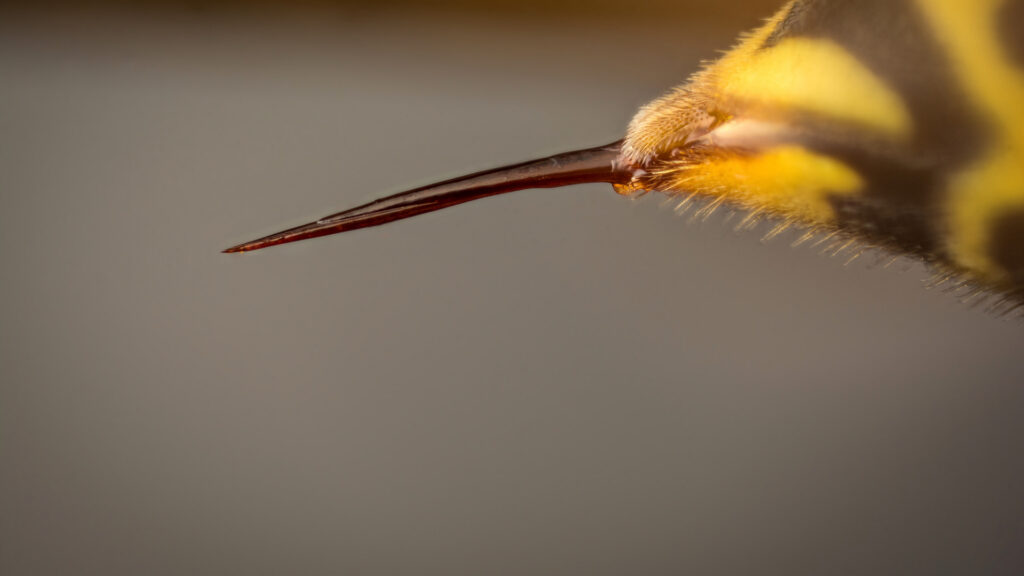
No. And this trips people up, because bee stingers do. When a honey bee stings, it leaves the stinger and venom sac behind in your skin. Scrape it out fast and you stop the venom from pumping in. Yellow jackets hold onto theirs.
So if you’ve been stung and you’re hunting for something to pull out, stop. There’s nothing lodged in the skin. The wrong first move burns the minute you should spend treating the sting and getting clear of wherever the rest of them are.
What Multiple Stings Do to the Body
A few stings sting like crazy but won’t hurt a healthy adult beyond the welts. Past a certain point, the math turns. Each sting drops a little more venom in, and dozens at once can overwhelm a person with no allergy at all.
Children, older adults, and anyone with a heart condition sit at a higher risk. The reaction also lands harder when the stings cluster in one spot. That’s the ground-nest problem: one wrong step and the whole colony comes up at ankle height.
This is why a full yellow jacket attack, where an entire nest mobilizes, is a different kind of emergency than a single sting in the flower bed. Volume is what turns a bad afternoon into a hospital visit.
How to Treat a Yellow Jacket Sting
Most stings you can manage at home, and the steps are short. You want to knock down the pain and swelling, keep the spot clean, and leave it alone while it heals. Don’t press ice straight against bare skin, and don’t scratch it open, no matter how much it begs you to.
At-home wasp sting treatment is short and low-tech:
- Wash the area with soap and water as soon as you reach a sink
- A cold pack wrapped in a cloth, for ten to fifteen minutes, brings the swelling down
- If the itch or swelling starts to spread, an antihistamine helps
- Hydrocortisone cream or a baking soda paste will calm the skin
Wasp Sting Treatment That Helps
You’ll hear about a dozen home cures, and some hold up better than others. A cold compress and an antihistamine do most of the work. Meat tenderizer and vinegar get passed around every summer, but the evidence behind them is thin.
What we tell homeowners is to keep it simple: clean it, cool it, watch it for a day. If the swelling is still spreading after a full day, or the area turns hot and angry red, call your doctor.
When a Sting Means a Trip to the ER
Some reactions can’t wait for a wait-and-see. A normal sting swells around the site and settles within a day or two. A dangerous one moves fast and shows up in places the sting never touched. That’s the line between uncomfortable and an emergency, and a body can cross it in minutes.
Signs of an Allergic Reaction
Call 911 or head to an ER if any of these show up after a sting:
- Breathing gets hard, or your throat feels like it’s closing
- Swelling spreads to the lips, tongue, or face
- You feel dizzy or faint, or your heart starts racing
- Hives or itching show up well past the sting itself
If you’ve reacted badly to a sting before, keep an epinephrine auto-injector on you through the summer months. A person who reacts once often reacts harder the next time.
Yellow Jacket Removal by Action Pest
Here’s the truth about stings: they keep coming as long as the nest is there. You can treat every welt perfectly and still get hit again the next time you brush past the soffit or that hole by the porch step. A mature yellow jacket nest can hold thousands of insects by August, and poking at it yourself is exactly how one sting becomes fifteen. Leave that part to us.
We handle yellow jacket removal across South Carolina, from finding the nest to treating it and sealing the entry point so they don’t move right back in. If you’ve already been stung once this season, treat it as the warning it is. Call us before the nest grows and the next run-in is worse than the first.
Call us now: 864-399-9262
We serve homeowners across South Carolina, including: