
Yellow jackets don’t need much of a reason to sting. Brush past a nest, get too close to an outdoor trash can, or make the wrong move near a ground burrow and they’ll respond fast. Most stings are painful and irritating but manageable at home.
The part worth understanding is when a reaction moves beyond the normal range, because yellow jacket venom affects people differently and the gap between a typical response and a serious one can close faster than most people expect.
Yellow Jacket Sting Symptoms to Know
A standard yellow jacket sting produces a sharp, immediate pain at the site. Redness and swelling follow within minutes, usually concentrated around the sting itself. The area stays tender and itchy for a day or two, sometimes longer, depending on how many times you were stung.
Yellow jackets can sting repeatedly, and they often do when they feel a nest is threatened, so multiple stings from a single encounter aren’t unusual. That’s different from a honeybee, which loses its stinger and dies after one sting. A yellow jacket keeps going.
Mild vs. Severe Reactions Explained
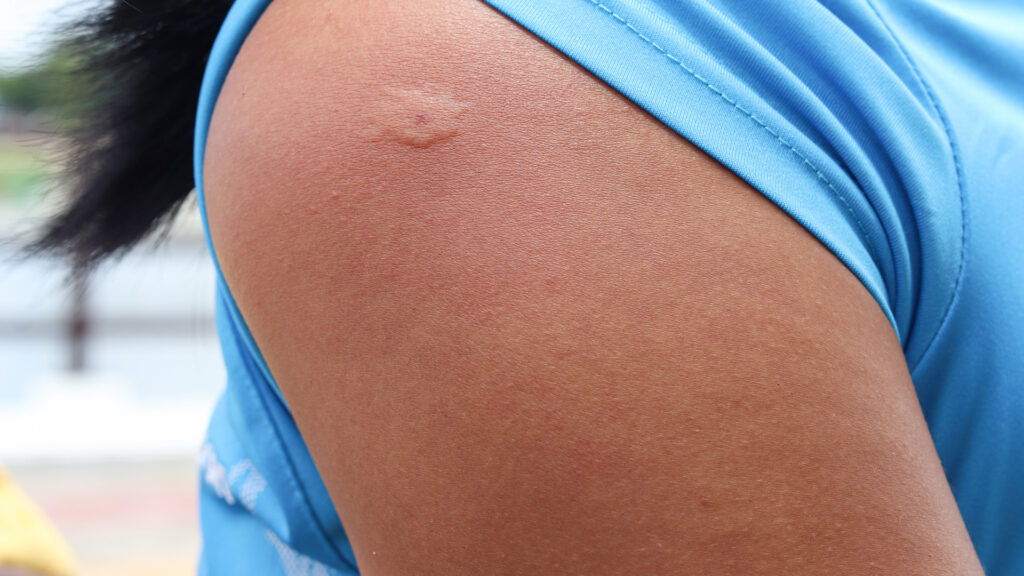
Most stings stay local. The swelling doesn’t travel far from the site, the pain fades within a few hours, and cold plus an over-the-counter antihistamine handles the rest. That’s the normal range, and most people move through it without much trouble.
A severe local reaction looks different. Swelling that spreads well beyond the sting site, covering a large portion of a limb, for example, is more than expected. It’s not necessarily life-threatening, but it’s worth monitoring. If the swelling keeps spreading after the first few hours rather than leveling off, a call to your doctor makes sense.
Signs of an Allergic Reaction
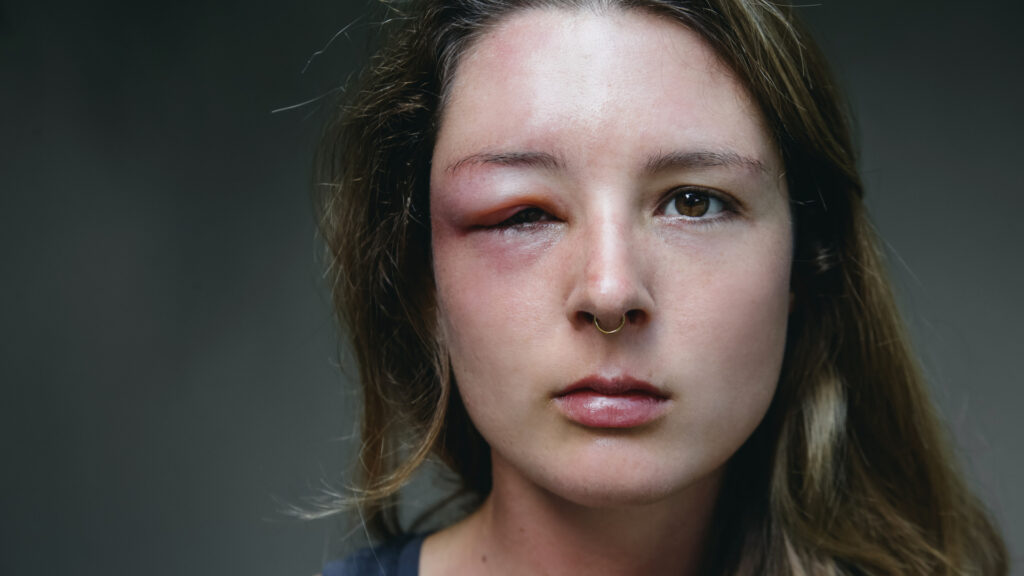
Not everyone reacts to yellow jacket venom the same way, and having been stung before without a reaction doesn’t guarantee the same outcome next time.
Some people develop a full-body response the first time they’re stung. Others are stung repeatedly for years with no issue, then react badly out of nowhere. There’s no reliable way to predict it, which is why knowing the warning signs matters more than assuming you’re in the clear.
When to Seek Emergency Treatment
The symptoms that signal anaphylaxis are worth knowing before you need them. Hives appearing on parts of the body that weren’t stung are an early flag. So is any feeling of tightness in the chest or throat.
Difficulty breathing, facial swelling, dizziness, or nausea after a sting all point in the same direction. Don’t wait to see if those symptoms pass on their own. Call 911 or get to an emergency room, and don’t drive yourself if you’re feeling faint.
Epinephrine is the treatment for anaphylaxis, not antihistamines. If someone in your household has a known allergy to stinging insects, carrying an epinephrine auto-injector during the summer months is worth discussing with their doctor.
What to Do Right After a Sting
If the reaction is localized and there are no signs of a broader response, basic first aid should handle most yellow jacket stings. Get away from the area first. Yellow jackets release a pheromone when they sting that signals other members of the colony to join in, so staying near the spot where you were stung increases the risk of more stings.
Steps That Help and Ones to Skip
Wash the sting site with soap and water right away. A cold pack wrapped in cloth, held at the site for 10 to 15 minutes, reduces swelling faster than anything else. Take an oral antihistamine rather than relying on a topical cream alone. Hydrocortisone applied to the site helps with the itch, but it works better when used alongside an oral medication.
Scratching makes it worse. Breaking the skin around the sting site exposes it to infection and prolongs the irritation. Keep the area clean and leave it alone as much as possible.
Unlike honeybees, yellow jackets don’t leave their stingers behind, so there’s nothing to remove. If you’re not sure what stung you, our comparison of a honey bee vs. a yellow jacket covers the key differences in behavior and appearance.
Why Yellow Jackets Are Dangerous in SC
By late summer, a yellow jacket colony that started in spring with a handful of workers can hold thousands. That’s when stings happen most often across the Upstate. The colonies are at their largest, the workers are at their most defensive, and nest activity peaks right when people are spending the most time outdoors.
Peak Season and Nest Risks in Summer
Buried in old rodent burrows or natural voids in the soil, ground nests are the ones people stumble into without any warning. The entrance hole is easy to miss until someone steps near it or runs a lawnmower over it.
Eaves, wall voids, and spaces inside outdoor structures are other common sites. By the time a nest is large enough to notice, it’s already well established and the colony is large enough to respond harshly to any disturbance.
If you’ve had a yellow jacket encounter on your property, the nest is almost certainly nearby. Our page on yellow jacket attack patterns covers what to expect, and our guide to wasp nest removal explains why professional removal is worth it once a nest reaches any real size.
You can also find more on identifying what you’re dealing with in our yellow jackets and hornets pest library.
Get Yellow Jacket Control in SC Today
A large yellow jacket nest in your yard isn’t a problem that resolves on its own before next season. The workers die off in winter, but the cycle starts again the following spring, often in the same location. If you’ve been stung or spotted a nest on your property, call us at 864-399-9262 or contact us online to schedule treatment.
We serve homeowners in:
- Simpsonville, SC
- Greenville, SC
- Easley, SC
- Fountain Inn, SC