
Getting stung by a yellow jacket hurts, and the first instinct for a lot of people is to check for a stinger the way they would after a bee sting. It’s a reasonable reaction. But yellow jackets and bees work differently, and knowing that difference changes how you respond in the first few minutes after a sting.
Yellow Jackets vs. Bees: Key Differences
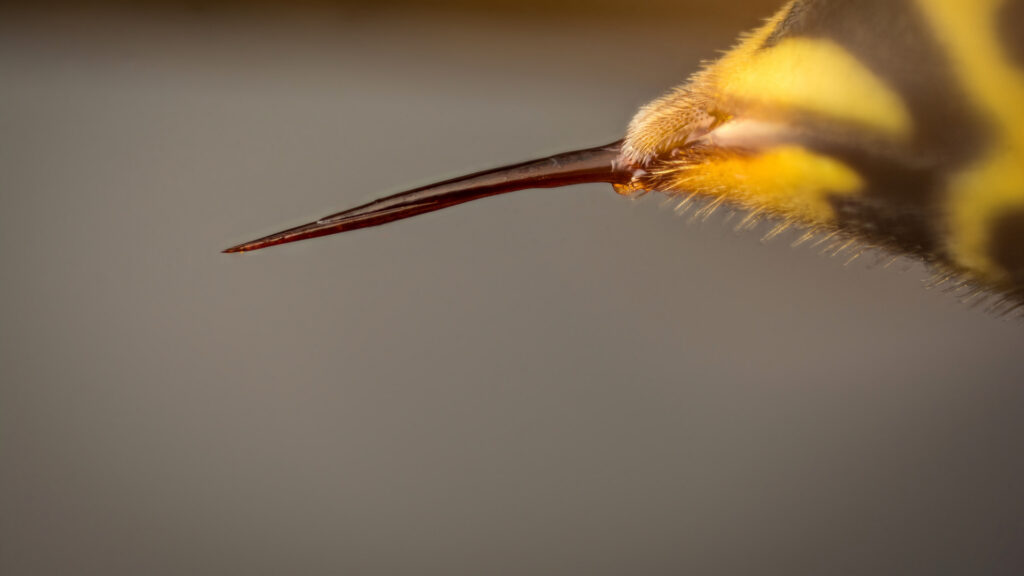
Honeybees have a barbed stinger that catches in human skin when they sting. The barb anchors the stinger in place, and when the bee pulls away, it tears loose from its own body.
That’s why a honeybee dies after stinging a person and why you’ll find a stinger left behind at the site. The venom sac attached to it keeps pumping after the bee is gone, which is why removing it quickly matters.
Yellow jackets are built differently. Their stingers are smooth, not barbed, which means they pull free cleanly after each sting. The yellow jacket survives, resets, and can sting again immediately. A single yellow jacket can sting multiple times in rapid succession, and when a nest is disturbed, that’s exactly what happens.
Why Yellow Jackets Can Sting Repeatedly
One disturbed nest can send dozens of workers at a single target, each one stinging several times. The venom builds across multiple sting sites, which is why large-scale yellow jacket attacks carry more risk than the sting count alone might suggest.
For a closer look at how these two insects compare, our breakdown of a honey bee vs. a yellow jacket covers the behavioral and physical differences in detail.
What Happens When You Get Stung
Sharp, burning pain hits the site immediately. Redness and swelling follow within minutes, usually staying concentrated around the sting itself. For most people, the reaction stays local, with the tenderness fading over a day or two.
When several stings land close together, the picture changes. Yellow jacket venom contains compounds that trigger both pain and an immune response, and multiple hits in the same area produce swelling and inflammation that’s more noticeable than a single sting would.
How to Check for a Stinger
Run a fingertip lightly across the site. A honeybee stinger feels like a small splinter just under the skin surface. If you find one, scrape it out sideways with a flat edge rather than squeezing, which pushes more venom in. Yellow jackets don’t leave stingers behind, so in most cases, the site will be clean.
Move straight to first aid either way. Wash the area with soap and water, apply a cold compress to reduce swelling, and take an oral antihistamine to manage the itch and inflammation. Our yellow jacket attack page covers what to expect when a full nest response is involved.
How to Treat a Yellow Jacket Sting
Cold and time handle most local reactions. Apply a pack wrapped in cloth rather than directly to the skin, and keep it in place for 10 to 15 minutes. That does more for the swelling in the first hour than anything else you can apply.
What to Remove and What to Avoid
Scratching, heat, and squeezing the sting area all worsen the local inflammation. Leave the site alone. Take an oral antihistamine as soon as possible if swelling or itching is severe, and apply hydrocortisone cream directly to the sting sites for surface irritation.
If you were stung multiple times, keep an eye on the sites over the next 24 to 48 hours. Increasing redness, warmth, or any sign of spreading infection after that window is worth a call to your doctor.
For anything beyond a local reaction — hives, difficulty breathing, or swelling in areas away from the sting — treat it as a potential allergic response and get medical attention immediately. Our pest library entry on wasps and yellow jackets has more details on what to watch for.
When One Sting Becomes a Bigger Problem
A sting near the face or throat, a reaction that spreads beyond the sting site, or multiple stings in a short period — any of those shifts a manageable situation into something that needs more attention. The single-sting scenario is usually fine. It’s everything around it that can go sideways.
Multiple Stings and Reaction Warning Signs
Even without a known allergy, a large enough dose of yellow jacket venom can produce a toxic reaction. It’s not just an allergy risk. The threshold varies by body weight and individual sensitivity, but any encounter involving a significant nest response carries real risk regardless of allergy history.
Watch for these signs after a multi-sting event:
- Nausea, vomiting, or dizziness not explained by shock or anxiety
- Swelling that spreads well beyond the sting sites
- Difficulty breathing or swallowing
- A rapid or irregular heartbeat
Any of those means get medical help fast. And once the immediate situation is handled, the nest that caused it still needs to be dealt with. Our wasp nest removal page covers why professional removal is the right call once a colony is large enough to have sent that kind of response.
Get Yellow Jacket Control in SC Today
A yellow jacket nest that’s disturbed once will be provoked again. If there’s an active colony on your property, the risk doesn’t go away until the nest does. Call us at 864-399-9262 or contact us online to schedule treatment before someone gets stung again.
We serve homeowners in:
- Simpsonville, SC
- Greenville, SC
- Greer, SC
- Spartanburg, SC