
Ants are some of the most persistent pests South Carolina homeowners deal with. Just when you think they’re gone, another trail shows up in the kitchen or a new mound appears in the yard.
Unlike in colder regions where ants disappear for months, the Palmetto State’s warm, humid climate keeps colonies active for much longer. Many species remain busy well into fall, and in recent years, activity has even lingered during mild winters. For many residents, ant control has become a year-round concern.
When Is Ant Season in South Carolina?
Let’s break down when ants are most active, which species you’re most likely to encounter, and how to keep infestations from taking over your home.
Ant Season in South Carolina – What Homeowners Should Expect
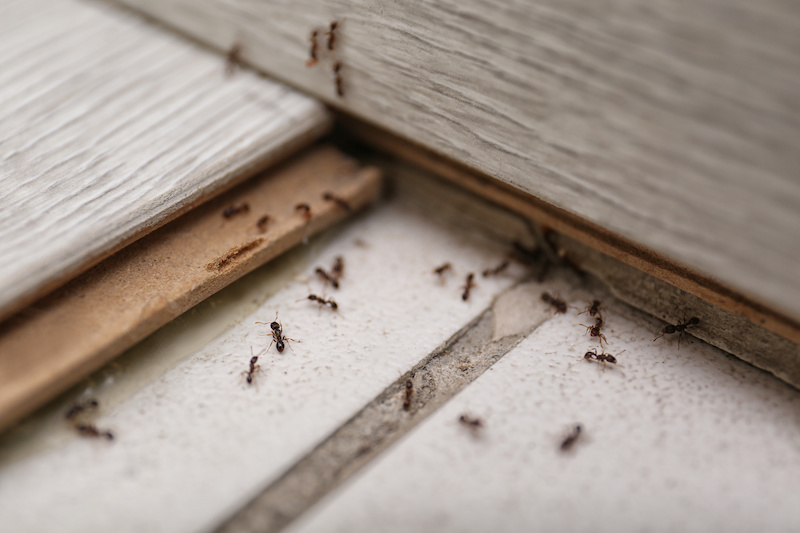
In South Carolina, ant season typically begins in early spring. In March and April, ants emerge from their winter hiding spots and start preparing for the active months ahead. By May and June, their activity is at its peak, and homeowners may start noticing trails of ants indoors or colonies popping up in their yards. South Carolina’s climate is ideal for ants.
Mild winters and long, hot summers give these pests a longer window of activity compared to colder regions. The state’s frequent rainfall during spring and summer can also drive ants indoors as they search for dry shelter. In general, ant activity in South Carolina follows a seasonal rhythm, but the timeline is stretched compared to cooler states.
Unlike places with harsh winters that force ants into dormancy for extended periods, South Carolina’s climate allows them to remain active most of the year. This extended season means homeowners in Simpsonville and surrounding areas need to stay alert for potential infestations.
Here is a rough breakdown of the ant season timeline in South Carolina
- Early spring (March–April): Colonies wake up as soil warms. Scouts appear in kitchens, bathrooms, and pantries.
- Peak season (May–August): Ants spread rapidly, swarm to establish new colonies, and food-seeking trails multiply.
- Early fall (September–October): Activity remains strong; warm autumns allow foraging to continue.
- Late fall and winter (November–February): In the past, activity dropped sharply. But with warmer winters, ants often stay active indoors, especially in heated spaces.
Climate shift: South Carolina’s warming trend is giving ants more active months than ever before. This extended season means infestations are no longer just a summer issue—they can flare up at almost any time of year.
Types of Ants in South Carolina
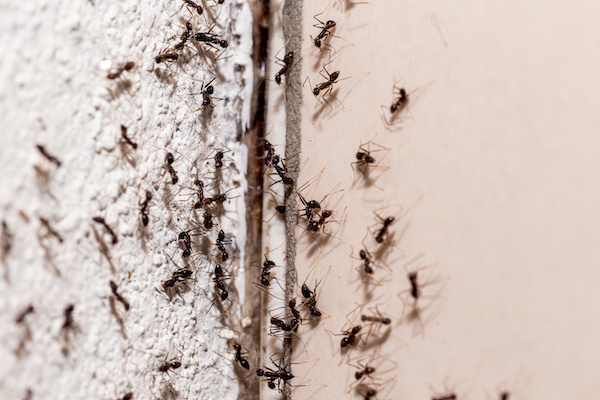
Fire Ants in South Carolina
Few pests spark as much frustration as fire ants.
- Appearance & behavior: Reddish brown, fast-moving, and aggressive. Disturbing a mound can trigger a swarm of stings.
- Seasonality: Thrive in hot, dry months but remain active nearly all year in South Carolina.
- Risks: Painful stings, allergic reactions, and hazards for pets and children. Fire ants also damage crops, lawns, and even electrical equipment.
- Control challenges: Destroying the visible mound rarely eliminates the colony. Unless the queen is targeted, the ants quickly rebuild.
Argentine Ants in South Carolina
Argentine ants may not sting, but their overwhelming numbers make them a challenge.
- Appearance & behavior: Small, brown ants that form vast “supercolonies.” Multiple queens allow populations to grow rapidly.
- Seasonality: Peak during humid summers, but infestations often continue indoors year-round.
- Risks: Invade kitchens, bathrooms, and pantries in large numbers. Sprays usually scatter them instead of solving the problem.
- Control challenges: Colonies cooperate with each other, making them harder to eliminate without professional help.
Carpenter Ants in South Carolina
Carpenter ants are less of a nuisance on the counter and more of a threat to your property.
- Appearance & behavior: Large black ants often mistaken for termites. They don’t eat wood but tunnel through it to nest.
- Seasonality: Highly active in spring and summer, especially after heavy rainfall.
- Risks: Hollow out wood beams, siding, or window frames. Over time, they can cause structural damage.
- Control Challenges: Eliminating excess moisture and locating hidden nests is key. Professional inspections catch problems before repairs become costly.
Odorous House Ants in South Carolina
These small ants earn their name from the smell they release when crushed.
- Appearance & behavior: Dark brown to black, trailing in long lines.
- Seasonality: Most noticeable in summer but continue invading homes into fall.
- Risks: Persistent trails across counters and food storage areas.
- Challenge: Colonies can split when stressed, making infestations spread.
- Control Challenges: DIY sprays often backfire. Professional-grade baits are much more effective for eliminating entire colonies.
Pharaoh Ants in South Carolina
Pharaoh ants are tiny but carry outsized risks.
- Appearance & behavior: Very small, yellowish ants that often go unnoticed at first.
- Seasonality: Thrive in heated indoor spaces year-round, making them especially problematic in South Carolina’s mild winters.
- Risks: Spread bacteria and frequently infest kitchens, hospitals, and food prep areas.
- Control Challenges: Colonies split easily if treated incorrectly, multiplying instead of shrinking.
Pavement Ants in South Carolina
Pavement ants may not be as intimidating as fire ants, but they’re one of the most common household invaders.
- Appearance & behavior: Small, brown-black ants that nest in cracks of sidewalks, driveways, and foundations.
- Seasonality: Especially visible in summer, though they can be a problem indoors year-round.
- Risks: Invade kitchens in search of sweets, grease, and crumbs. Outdoor nests can damage walkways.
- Control Challenges: Sealing cracks and applying targeted treatments are the best defenses.
Why Ants Invade Homes During the Season
Ants don’t appear indoors by chance. They’re searching for what every colony needs: food, water, and shelter.
- Food: Unsealed sweets, crumbs, and pet bowls provide easy meals.
- Water: Leaky pipes, damp bathrooms, and condensation under sinks draw ants indoors.
- Shelter: Heavy rains and extreme temperatures drive colonies inside for protection.
Once scouts locate resources, they lay down pheromone trails that guide hundreds more to follow. That’s why ant problems escalate so quickly.
DIY Ant Control – What Helps and What Doesn’t
South Carolina homeowners try plenty of tricks to deal with ants, but not all work.
Helpful (short-term):
- Wiping trails with vinegar or soapy water.
- Keeping counters and floors spotless.
- Sealing entry points and storing food properly.
Limited results:
- Over-the-counter sprays kill visible ants but leave the colony untouched.
- Homemade remedies like borax and sugar can be dangerous around children and pets.
- Incomplete treatments often cause colonies to scatter and multiply.
DIY can provide temporary relief, but it rarely solves the problem at its source.
Why Professional Ant Control Works Best in South Carolina
Because ant season stretches longer than ever in South Carolina, effective control requires more than quick fixes. Professional services bring lasting solutions:
- Correct identification: Different ants require different treatments.
- Targeted methods: Professionals use safe baits and growth regulators that eliminate entire colonies.
- Family and pet safety: Treatments are applied with precision to avoid unnecessary risks.
- Year-round protection: Scheduled maintenance keeps ants from rebounding during extended seasons.
Year-Round Protection in South Carolina
South Carolina’s warming climate means ant activity is no longer just a summertime issue. Colonies remain active well into fall and sometimes through the winter in heated indoor spaces.
That makes year-round pest protection the most reliable solution. Ongoing service ensures your home stays safeguarded no matter the season, giving you peace of mind that ants won’t take over your kitchen, bathrooms, or yard.
Ants don’t take a season off in Boiling Springs, SC. From fire ants in the yard to trails of sugar ants in the kitchen, infestations can strike at any time of year. Don’t waste energy on short-term fixes that don’t reach the colony. Action Pest Services provides safe, effective ant control in Boiling Springs, targeting infestations at the source and keeping your home protected year-round. Call today to schedule your inspection.
Article Updated on 9/24/2025
About the Author
Ben Downard is the President of Action Pest Services and a seasoned expert in ant control. From sugar ants in kitchens to larger infestations around foundations, Ben has helped South Carolina homeowners navigate the challenges of ant season year after year. His experience ensures homeowners get practical, lasting solutions to keep ants out—no matter the season.