
Termites are notorious for their ability to cause damage, but do termites die in the winter? Many people assume that colder weather means a break from these destructive pests, but the reality is more complicated. While termites don’t thrive in freezing conditions, they have strategies to survive and continue causing problems, even during the coldest months.
Understanding termite behavior during winter can help you protect your home and avoid costly damage. At Action Pest Services, we’ve helped countless homeowners in Simpsonville, SC, safeguard their properties year-round. Let’s dive into how termites survive the winter and what you can do to keep them at bay!
Do Termites Die in the Winter?
Many people assume that cold weather brings relief from these destructive pests, yet the truth is more complicated. While termites don’t thrive in freezing temperatures, they have remarkable strategies that help them survive—and keep causing damage—even during the coldest months.
Understanding termite behavior in winter is key to protecting your home and avoiding costly repairs. At Action Pest Services, we’ve helped countless homeowners in Simpsonville, SC, defend their homes year-round. Let’s take a closer look at how termites make it through the winter and how you can keep them from settling in.
How Termites Survive the Cold
To understand why termites don’t die in the winter, it helps to know their survival tactics. These include:
- Burrowing deeper into the ground: Subterranean termites retreat to lower soil levels where temperatures remain consistent.
- Staying hidden indoors: Termites already inside walls or floors continue feeding thanks to steady indoor warmth.
- Slowing activity but not stopping: Termites may move less in winter but rarely become fully dormant.
- Using insulation to survive: The wood and soil surrounding their colonies trap heat and moisture, protecting them from harsh weather.
These strategies make termites one of the few pests that stay active year-round—even when most insects go dormant.
Signs of Termite Activity in Winter
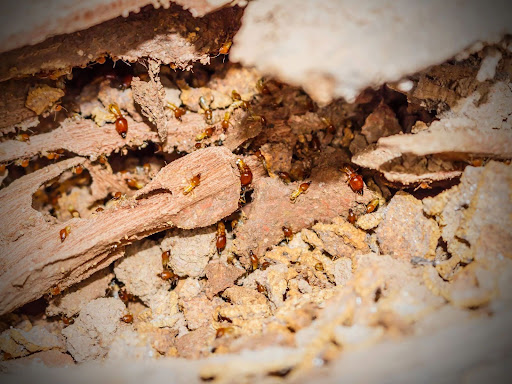
Signs of Termite Activity in Winter
Even when it’s cold outside, termites can still cause damage inside your home. Spotting the warning signs early can help you act before the infestation grows.
1. Mud Tubes
Subterranean termites build narrow mud tubes as tunnels between their colony and food sources. These pencil-sized tubes are often found along your foundation, walls, or crawl spaces. They provide moisture and protection, allowing termites to travel safely even during winter.
2. Hollow-Sounding Wood
If wood around your home sounds hollow when tapped, termites may be inside. They eat wood from the inside out, leaving behind only a thin surface layer. You might not see visible damage right away, but the wood’s strength weakens over time.
3. Frass (Termite Droppings)
Drywood termites leave behind small, pellet-shaped droppings called frass. These tiny piles often appear near baseboards, wooden furniture, or window sills. Because frass looks like sawdust, many homeowners mistake it for debris from everyday cleaning.
4. Swarmers Indoors
While termite swarms are more common in spring, you may spot winged termites inside during winter if a colony is already established. These swarmers, or reproductive termites, shed their wings after mating. Small piles of wings around windows, doors, or light fixtures are a clear warning sign.
5. Warped Wood or Floors
As termites tunnel through wood, they compromise its structure. Floors may begin to sag or buckle, and wooden panels can blister or warp. Sticking doors and windows are another clue that termites are active behind the scenes.
6. Faint Clicking or Rustling Sounds
In quiet areas of your home, you might hear soft clicking or rustling inside walls or wooden beams. These sounds come from termites chewing through wood or communicating with one another. Listening closely near suspected areas can help confirm activity.
Tips for Staying Ahead of Termite Activity
If you’re not sure how to identify termite issues, here are some proactive steps you can take:
- Perform Regular Inspections: Check your foundation, crawl spaces, and wooden structures every few months for signs of termites.
- Control Moisture: Termites thrive in damp environments. Fix leaks, improve drainage, and use a dehumidifier to reduce moisture in your home.
- Schedule Professional Inspections: A licensed pest control expert can identify termite activity and damage that may be easy to miss. Annual inspections are a smart investment in protecting your home.
If you spot any of these warning signs, don’t delay. Termites work year-round, even in winter, and ignoring an infestation can lead to extensive damage.
How to Prevent Termite Activity During Winter
Even when temperatures drop, prevention remains the best defense. Follow these simple steps to keep your home protected all winter long:
- Inspect regularly: Check your foundation, crawl spaces, and attic for signs of mud tubes, frass, or damaged wood.
- Reduce moisture: Termites thrive in damp environments. Fix leaks, clean gutters, and use dehumidifiers in basements or crawl spaces.
- Limit wood-to-soil contact: Keep decks, fences, and siding raised off the ground. Store firewood at least 20 feet from your house.
- Seal cracks and gaps: Caulk openings around plumbing, vents, and foundation seams to block entry points.
- Remove wood debris: Clear away old stumps, scrap wood, and other cellulose materials near your foundation.
- Schedule professional inspections: A licensed termite expert can spot early infestations and apply preventive treatments.
These measures help you catch termite issues early—before they cause extensive damage.
Why Termite Control Is Important Year-Round
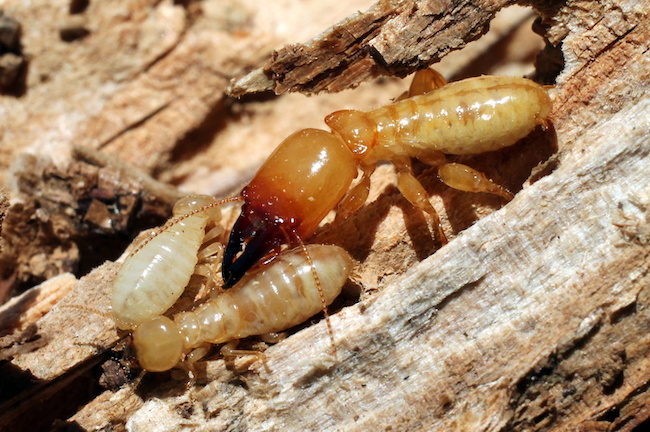
Termites do not . These resilient insects have adapted to survive harsh conditions by digging deeper underground or sheltering within homes. In Simpsonville’s mild winters, termite activity may slow down but rarely stops.
Termite infestations can remain hidden for months or even years before visible damage appears. That’s why continuous monitoring and treatment are so important. Homeowners often skip winter inspections, giving colonies time to grow unnoticed.
Professional termite control helps by:
- Detecting early signs of infestation before major damage occurs.
- Targeting entire colonies, not just surface-level activity.
- Using preventive treatments to protect your home year-round.
- Providing expert advice on moisture control and structural vulnerabilities.
Stay Protected This Winter
Even though the weather cools down, termites remain active beneath the surface. Ignoring the problem until spring can lead to serious structural damage. Taking preventive steps now—paired with professional protection—will keep your home safe through every season.
For dependable termite control in Simpsonville, SC, trust Action Pest Services. Our experts use proven solutions to eliminate termites and safeguard your home from future infestations. Contact us today to schedule your winter inspection and keep your home protected year-round.