
Ants are among the most common pests South Carolina homeowners encounter, but not all ants behave the same way. Some build small trails in the kitchen, while others construct large mounds across your lawn. For those who have heard of “army ants” and “fire ants,” the names alone sound intimidating. And while both species have fierce reputations, only one is a real concern for South Carolina residents.
The truth is, army ants are almost never found in the United States outside of controlled research or isolated zoo habitats. Fire ants, on the other hand, are a major and growing problem across the Southeast, including here in Boiling Springs, Simpsonville, and the surrounding Upstate.
So how do you know what you’re really dealing with in your yard? Let’s take a closer look at these two types of ants—and other species often confused with them—so you can make informed decisions about protecting your home and family.
What Are Army Ants?
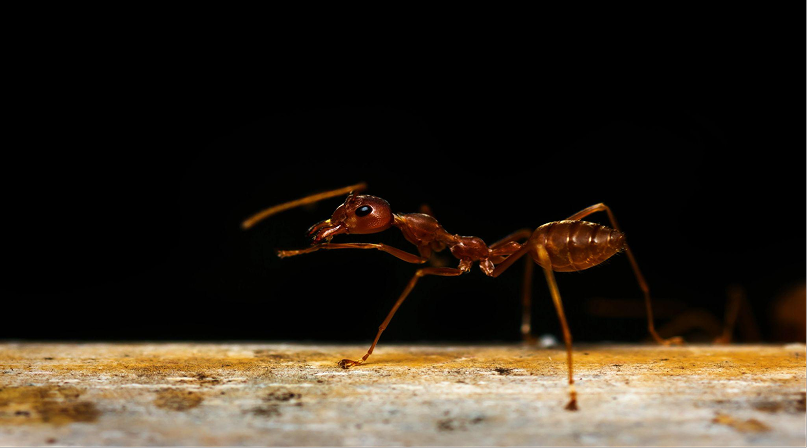
Army ants are famous in documentaries and tropical ecosystems, but not in South Carolina neighborhoods.
- Habitat: Found mostly in Central and South America, with some species in Africa and Asia.
- Behavior: Army ants are nomadic hunters. Instead of building permanent nests, they move in massive swarms that overwhelm prey. Their colonies can include millions of ants.
- Risk to humans: While intimidating, army ants rarely pose a serious threat to people unless directly provoked. They don’t build mounds or stick around homes.
In short: if you’re in South Carolina, it’s almost certainly not army ants.
What Are Fire Ants?
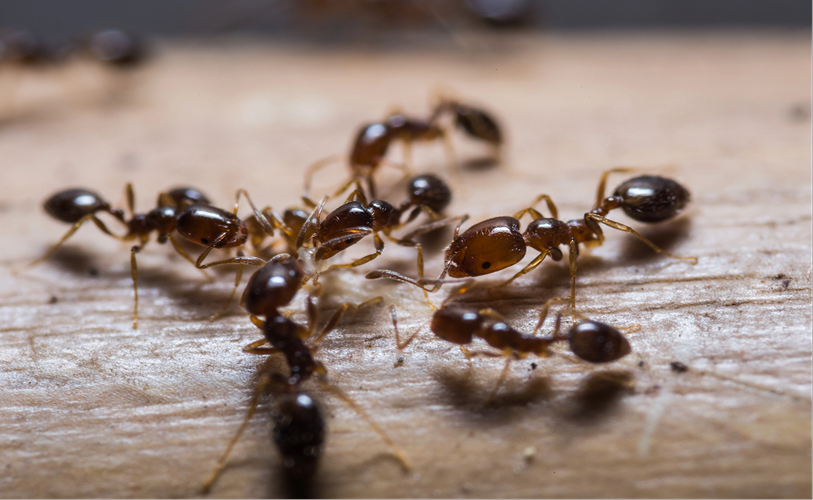
Fire Ants in South Carolina
Fire ants are another story entirely. These invasive ants are widespread in South Carolina, thriving in the warm climate and causing headaches for homeowners year after year.
- Appearance: Reddish brown, aggressive, and fast-moving.
- Nesting: Build dome-shaped mounds in open areas like yards, gardens, and pastures.
- Behavior: Extremely territorial. When a mound is disturbed, fire ants swarm in large numbers and sting repeatedly.
- Risks: Stings are painful and can cause allergic reactions. Pets and children are especially at risk if they unknowingly step on a mound. Fire ants also damage lawns, crops, and even electrical equipment.
Because fire ants are so common in the Southeast, the vast majority of “army ant sightings” reported locally are actually misidentified fire ants.
At-a-Glance Comparison: Army Ants vs. Fire Ants
| Feature | Army Ants | Fire Ants |
| Habitat | Tropical regions (Central/South America, Africa, Asia) | Southeastern U.S., including South Carolina |
| Nesting | Nomadic, no permanent nest | Dome-shaped soil mounds |
| Behavior | Swarm prey, move in massive groups | Defend nests aggressively |
| Threat to Humans | Minimal unless provoked | Painful stings, allergic reactions possible |
| Likelihood in SC | Virtually none | Very common |
When Fire Ants Are Most Active in South Carolina
Unlike cooler climates, South Carolina’s fire ant season lasts much longer.
- Spring (March–April): Colonies become more active as soil warms. New mounds appear.
- Summer (May–August): Peak activity. Colonies expand, and aggressive encounters increase.
- Fall (September–October): Warm autumns allow fire ants to remain highly active.
- Winter (November–February): In mild winters, fire ants remain active, especially on sunny days or indoors.
South Carolina’s warming climate means fire ants are staying active longer than ever before, turning what used to be a summer-only concern into a year-round risk.
Homeowner Action Tips: What You Can Do Safely
If you think you’ve found fire ants on your property, here are a few safe steps to take while waiting for professional help:
- Keep distance from mounds. Don’t poke, kick, or dig into them—this is how most stings happen.
- Protect children and pets. Block off access to infested areas until treated.
- Use caution with DIY treatments. Over-the-counter sprays or boiling water often fail to reach the queen, causing colonies to rebound.
- Stay alert for multiple mounds. Fire ants often build more than one mound on a property.
For South Carolina residents, professional pest control is the most reliable solution to keep fire ants from taking over.
Other Ants That Homeowners Mistake for Fire Ants
Sometimes ants are misidentified not just as army ants, but also as fire ants. Here are a few common species in South Carolina that can cause confusion:
Pavement Ants

- Small, dark brown to black ants that build nests in cracks of sidewalks, driveways, and foundations.
- Less aggressive than fire ants, but often found trailing indoors.
Odorous House Ants

- Dark brown to black, trailing ants that release a rotten coconut smell when crushed.
- Found inside homes in search of sweets.
Argentine Ants

- Small, light brown ants that form massive “supercolonies.”
- Very persistent indoors, especially in kitchens and bathrooms.
While these ants can be frustrating, they don’t pose the same stinging risk as fire ants. Identifying the difference helps determine whether the problem is a nuisance or a genuine health hazard.
Debunking the Myth: Why Army Ants Aren’t in South Carolina
It’s easy to see why homeowners might confuse aggressive trails of ants with “army ants.” Internet videos and wildlife documentaries have made army ants famous for their massive swarms. But these species are tropical by nature and simply don’t exist in South Carolina’s environment.
If you see a swarm or mound in your yard, it’s almost certainly fire ants—or possibly one of the other local nuisance species mentioned above.
Why You Need Professional Extermination
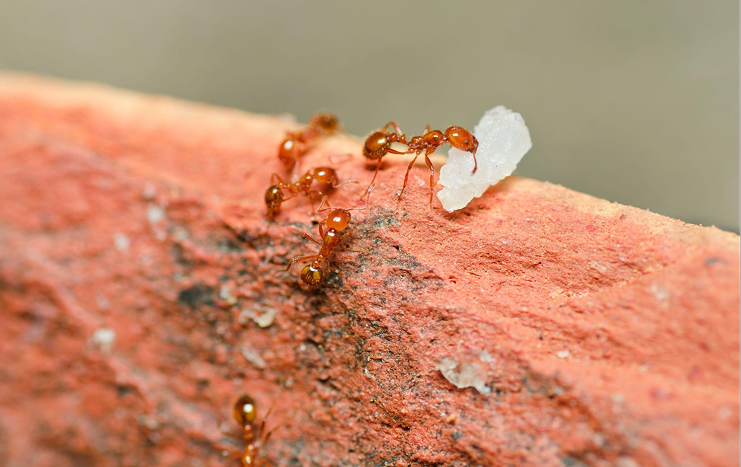
If you’ve identified an ant issue of any kind in your yard, you might be tempted to reach for an over-the-counter pesticide and try to go it alone. Trust us, that approach seldom works when it comes to fire ants. These pests are tough to eliminate and will often relocate or create satellite colonies when they feel threatened.
Turning to Action Pest instead means you’ll get access to safe, thorough treatment. With our effective techniques and trained technicians, we’ll eliminate the ants without leaving your lawn covered in harmful chemicals. Whether you’re dealing with a fiery mound of angry ants or some other pest, expert extermination is your best bet.
When it comes down to the battle between army ants vs. fire ants, the winner is clear: fire ants are the pests you need to worry about here in Simpsonville, SC. Knowing the differences between the two (as well as the differences between fire ants and other ant species) is key. Knowledge is power and will leave you feeling more prepared when pests invade your space. The good news? You don’t have to go it alone. Action Pest is here to help. But you do need to act fast. Don’t wait until the ants have taken over. Contact us today to schedule your next inspection!
About the Author
Ben Downard is the President of Action Pest Services and a trusted authority on ant identification and control. With years of experience helping South Carolina homeowners distinguish between species like fire ants and other invasive ants, Ben knows how important accurate identification is for safe and effective treatment. His expertise ensures that infestations are handled quickly, thoroughly, and with long-term protection in mind.
This article was updated on 10/15/2025