
Most homeowners dealing with a mouse problem aren’t thinking about food chains. But the question comes up more than you’d expect, usually from people who’ve spotted an owl on the fence post or a black snake near the foundation and are wondering whether nature is handling things for them.
It’s a fair question. Predators do hunt mice, and some of them are active right here in the Upstate. They’ve just never once kept a mouse population from getting into a house.
Here’s what actually eats mice in South Carolina, why it matters, and where the limits are.
Natural Predators That Hunt Mice


South Carolina has a healthy mix of predators that feed on rodents. Owls are the most effective. Barn owls, in particular, are built for it, capable of catching several mice in a single night using their hearing alone in total darkness.
Red-tailed hawks work during the day, covering open fields and yard edges where mice forage. Both are common across the Upstate and Midlands, and if you’re seeing either regularly around your property, rodents are almost certainly part of why.
Which Predators Are Common in SC
On the ground, the list gets longer. Foxes, coyotes, and bobcats all take mice when the opportunity is there.
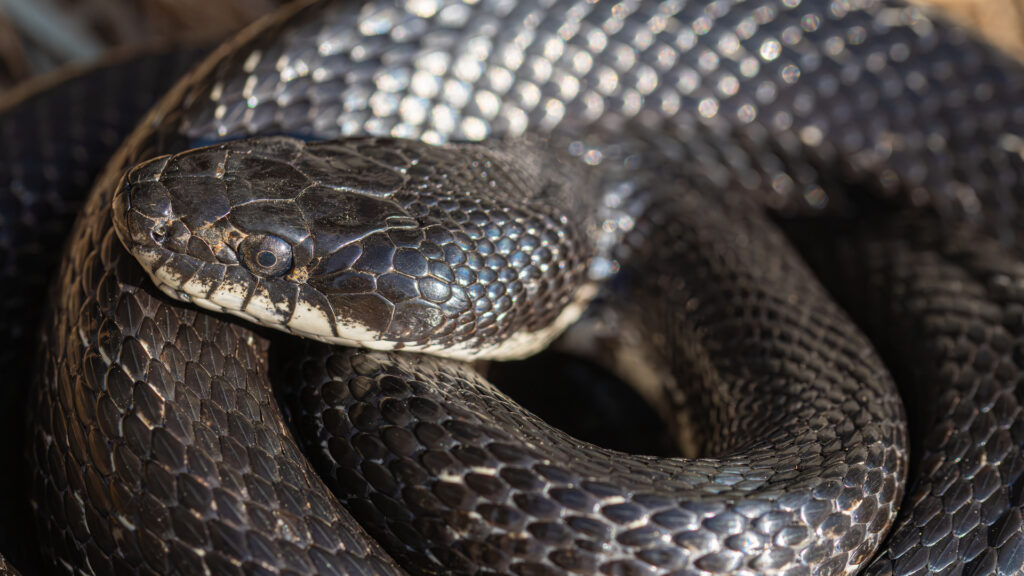
Black rat snakes are probably the most relevant to homeowners because they actively seek out the same spaces mice use, including crawl spaces, wall voids, and outbuildings. Finding a rat snake near your foundation isn’t a bad sign. It usually means mice are already around, and the snake followed them there.
Domestic cats are natural hunters too, though their actual impact on a mouse population depends heavily on the individual cat. Some hunt aggressively. Others watch a mouse cross the kitchen floor without moving. Don’t count on a cat to solve a rodent problem on its own.
Why Predators Don’t Solve the Problem
A single female mouse can produce up to ten litters a year, with five to six pups per litter. Predators remove individuals from the population. They don’t remove the conditions that allow it to grow.
As long as a structure offers warmth, access to food, and entry points, mice will keep coming regardless of what’s hunting them outside. The math doesn’t work in the predators’ favor once a colony is settled indoors.
When Natural Control Isn’t Enough
Geography is the other factor. Owls and hawks hunt in open areas. Once mice move indoors, they’re out of reach of every natural predator on the list. A snake will follow them into a crawl space, but it won’t follow them into a wall cavity or kitchen cabinet. That’s where natural rodent control stops and professional treatment starts.
Our page on rodent infestations covers what an established indoor mouse population actually looks like and how fast things can escalate once they’re inside the structure.
What Mice Eat and Why It Matters
Mice aren’t picky. They eat grains, seeds, fruit, insects, and just about anything stored in a pantry.
So, what do mice eat when they’re living inside a home? Whatever’s accessible. Open bags of pet food, cardboard-boxed dry goods, fruit left on the counter, crumbs in drawers. Their feeding range from a nest is surprisingly small, usually under 30 feet, which means the food source and the nest are almost always in the same area of the house.
How Their Diet Drives Infestations
That feeding range is why infestations tend to stay concentrated in one part of a home until the population grows large enough to spread. A kitchen with accessible food and a gap behind the stove is often all a colony needs to get established and stay there.
Removing food access is one of the few things homeowners can do that actually changes things before a professional needs to get involved.
For more on what draws rodents in and how to reduce attractants, our rodent control page covers the full picture.
Signs You Have a Rodent Problem
Most people don’t realize they have mice until the population is already established. The early signs don’t announce themselves.
A faint scratching sound at night gets written off as the house settling. A dropping near the back of a cabinet goes unnoticed until there are dozens of them. Chewed packaging gets blamed on something else entirely. By the time it’s obvious, it’s been going on for a while.
What to Do When Predators Fall Short
The signs worth paying attention to are droppings along baseboards or inside cabinets and gnaw marks on food packaging or structural wood. Grease smears along walls where mice travel the same route repeatedly are another strong sign.
Similarly, the smell of ammonia in a small, enclosed area often indicates an active nest nearby. Any one of those on its own is worth a closer look. More than one at the same time means the colony is already settled in.
If you’re seeing any of those, the predators outside aren’t making a dent. Our companion page on what happens when rats and mice share a space can help you understand what you’re dealing with before we come out to assess the situation.
Get Rodent Control in SC Today
Mice don’t need much to get comfortable inside a home, and once they’re in, the population grows faster than most people expect. We use targeted treatments that address both the active infestation and the entry points that made it possible in the first place. Call us at 864-399-9262 or contact us online and we’ll get someone out to take a look.
We serve homeowners in: