
Ants in a South Carolina yard aren’t just an annoyance. Depending on the species, they can damage roots, disrupt garden beds, and find their way inside your home before you realize there’s a problem.
If you want to make your yard less attractive to them without reaching for chemicals right away, certain plants do a surprisingly solid job. These plants that repel ants won’t wipe out an established colony, but they create conditions that push ants to set up home elsewhere.
1. Mint
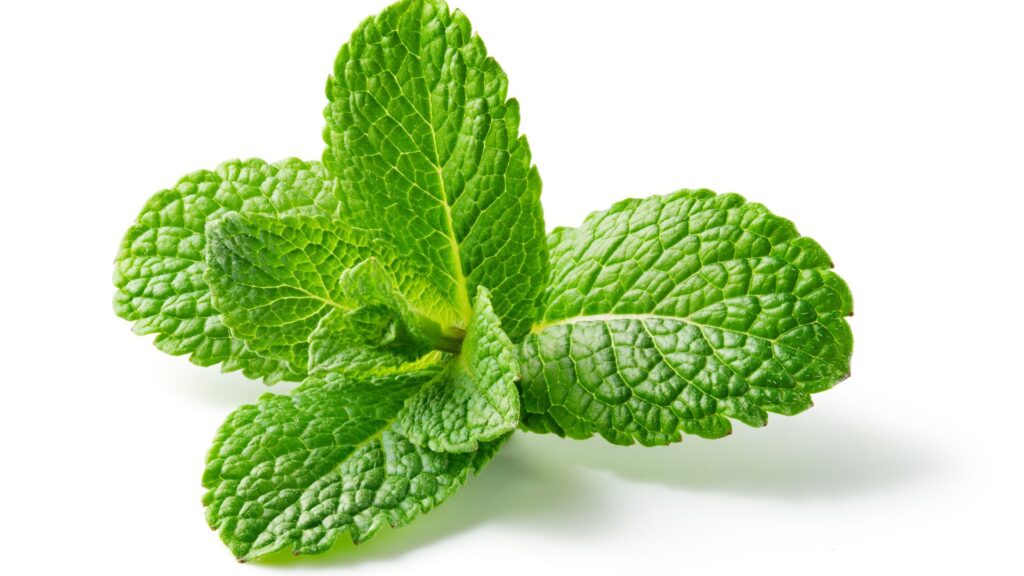
Mint is one of the most effective natural ant repellent plants you can grow in South Carolina. Its sharp menthol scent disrupts the chemical trails ants use to navigate, which breaks down their ability to move efficiently through your garden.
Plant it along borders, near entry points to your home, or close to your foundation. Because mint spreads fast and aggressively, growing it in containers keeps it manageable. Ants in potted plants are a common complaint, and placing a mint container nearby pulls double duty by deterring ants while staying contained.
2. Lavender

Lavender ant repellent properties come from linalool, a naturally occurring compound that overwhelms the sensory receptors ants rely on. It doesn’t harm them directly but makes the surrounding area far less appealing to forage through.
Lavender handles South Carolina’s heat well once it’s established, and it thrives in full sun with well-drained soil. Beyond the garden, dried lavender near windowsills or doorframes adds a low-effort deterrent indoors. It also attracts pollinators, so your garden benefits in more ways than one.
3. Rosemary
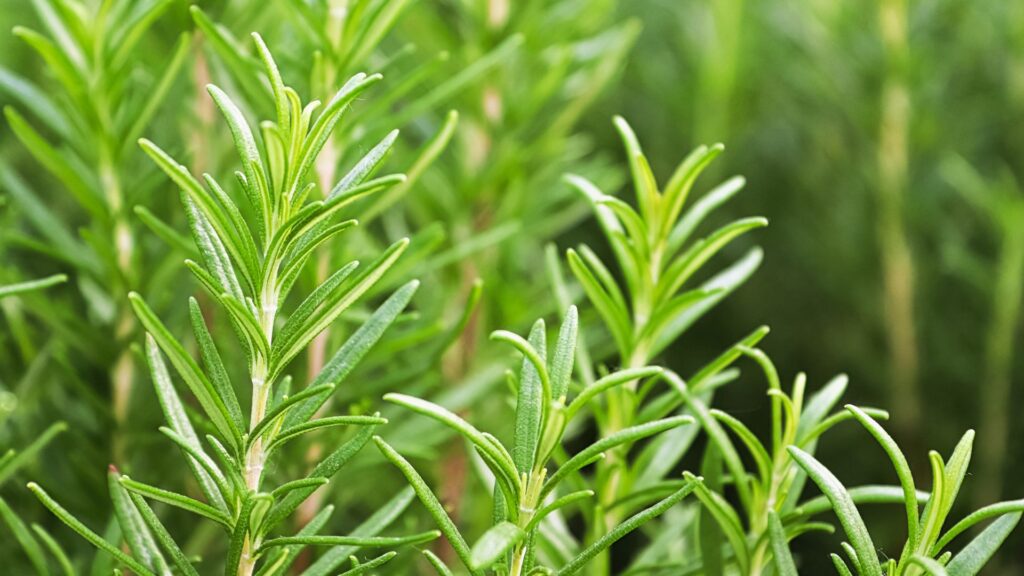
Rosemary earns its place in any South Carolina garden. Its camphor-heavy, woody scent is one that different types of ants consistently avoid, making it a reliable border plant around vegetable beds or seating areas.
Grow it in raised beds or containers near your home’s perimeter. It needs full sun and good drainage, but demands little else once it takes hold. As a kitchen herb that also works as a plant that deters ants, rosemary is one of the more practical additions to any yard dealing with recurring ant traffic.
4. Marigold
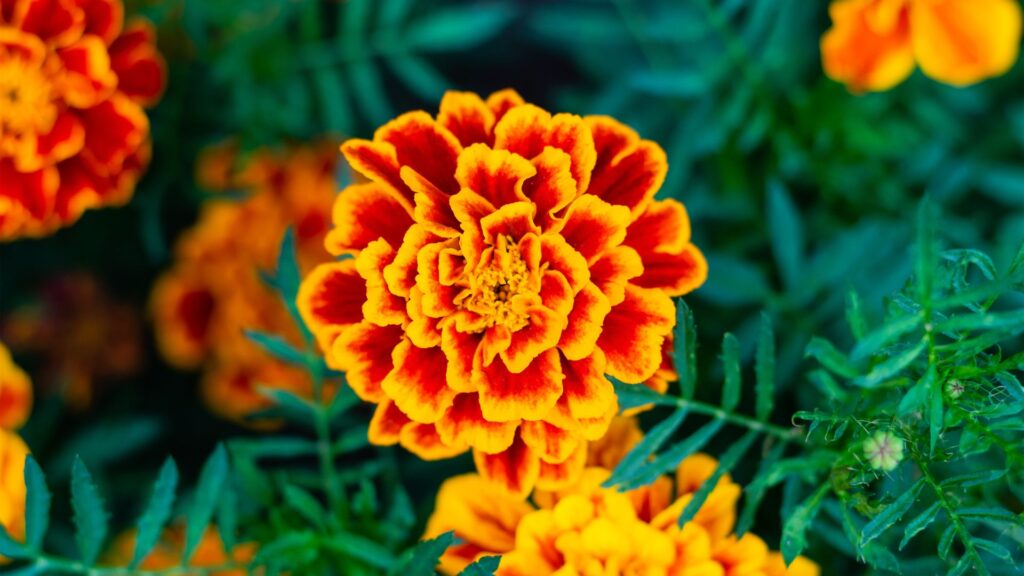
Marigolds release limonene, a compound found in their roots and foliage that repels a wide range of insects, including several ant species active in South Carolina. Plant them along garden borders, near vegetable beds, or close to entry points, and they get to work without much input from you.
They pair well with lavender and rosemary for broader coverage and are one of the more beginner-friendly plants that deter ants. With full sun and moderate watering, they hold up well through a South Carolina summer.
5. Lemongrass
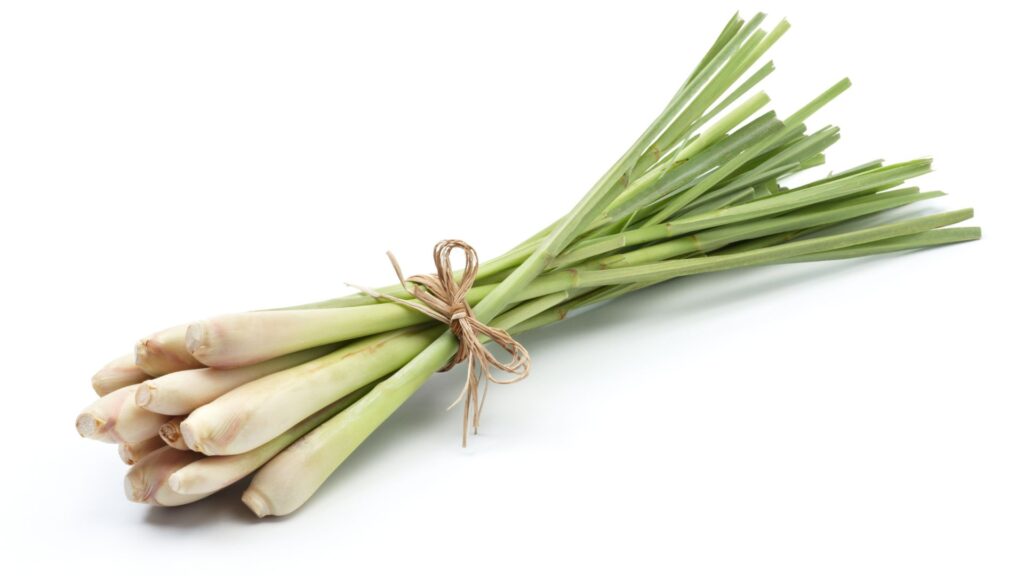
Lemongrass contains citronella, a compound most people associate with mosquito repellent. It also disrupts ant activity, particularly foraging patterns, by interfering with the scent cues ants depend on.
Lemongrass grows quickly in South Carolina’s heat and works well in large containers or directly in the ground along garden edges. If you’re seeing giant anthills in your yard, lemongrass won’t solve the root problem, but placing it around high-traffic areas cuts down on the foraging activity that feeds those colonies.
Household Ways to Get Rid of Ants in Your Garden
Plants that repel ants slow activity down, but sometimes you need more direct action. Several household ways to get rid of ants work well alongside plant-based deterrents:
- Diatomaceous earth: Sprinkle food-grade diatomaceous earth around garden beds and entry points. It damages ant exoskeletons on contact and works without synthetic chemicals.
- Boiling water: Pour it directly into an anthill to collapse tunnels and reach a significant portion of the colony. Larger mounds may need a few rounds.
- White vinegar solution: Equal parts white vinegar and water sprayed along ant trails erases the scent markers scouts leave behind.
- DIY ant pesticide: A borax and sugar mixture acts as a slow-acting ant trap that workers carry back to the colony. It targets the source rather than just the ants you can see.
Before you treat, take a moment to identify ants in your yard. Different types of ants respond differently, and some species cause far more damage than others. Certain ant species are regularly mistaken for termites, especially during swarming season.
If you’re seeing winged insects near your foundation, it’s worth ruling out a termite issue before assuming otherwise. Homeowners in the Easley area can get that process started with a local termite inspection if there’s any doubt.
Proper identification also shapes how you approach broader pest control on your property. Treating the wrong pest with the wrong method costs time and lets the real problem grow.
Don’t Depend on Plants to Control Ants. Call Action Pest Services
Natural ant repellent plants and DIY ant pesticide options work best as a first layer of prevention. Once a colony sets up in your yard or works its way inside, those same methods rarely reach the colony’s core. Surface-level treatments address the workers you see, not the thousands you don’t.
Action Pest Services treats ant infestations across South Carolina with targeted solutions built around the specific ant species on your property. If ants are overrunning your garden, building giant anthills in your yard, or making their way into your home, contact Action Pest Services and get a treatment plan that addresses the problem at the source.